

Blog
How to Source Reliable Argon Oxygen Gas Regulator Suppliers for Australian Trades

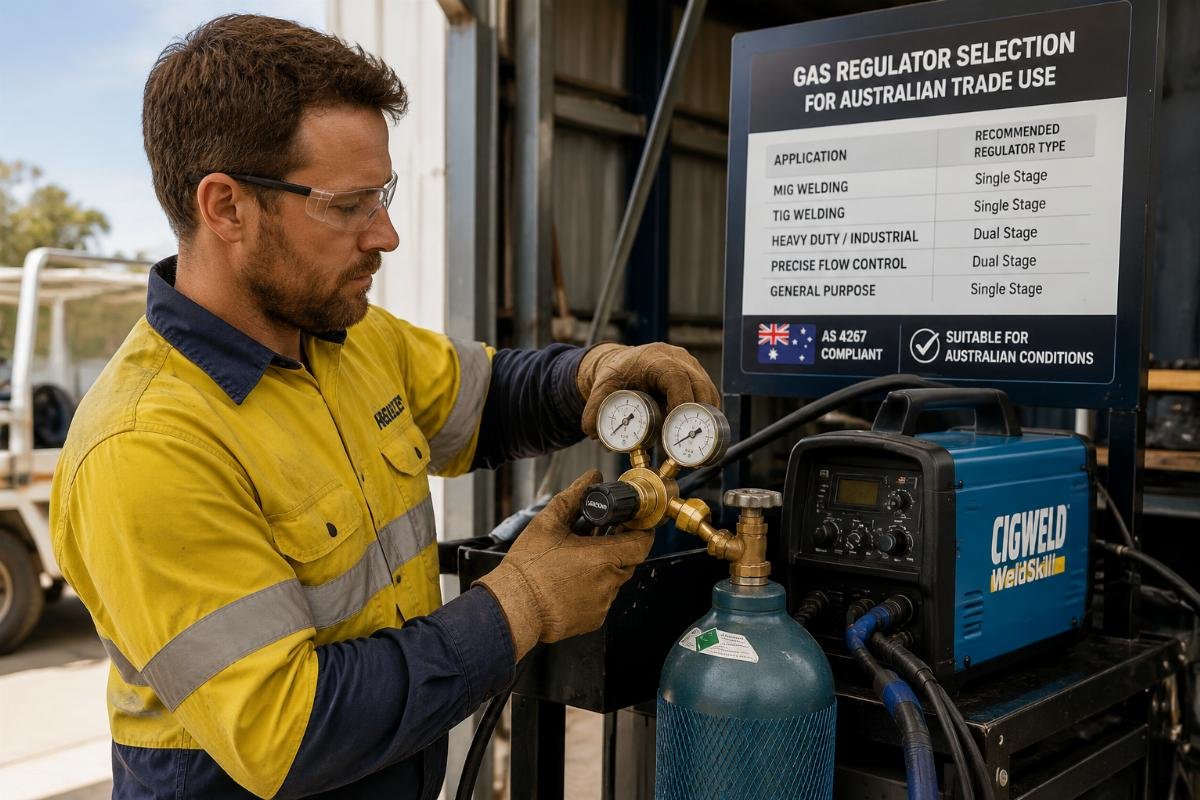
Where to Buy Argon/Oxygen/Acetylene/CO2/LPG/Nitrogen Gas Regulators with Reliable Supply for Australian Trades
Higher gas regulator price does not guarantee longer service life. Most Australian tradespeople and workshop owners default to picking well-known premium brands or the most expensive listed models when shopping for regulators, assuming higher cost automatically translates to better durability and fewer mid-job failures, but this common purchasing mistake often leads to unnecessary overspending and mismatched performance for specific use cases.
The core determinant of a gas regulator’s lifespan and on-job reliability is not brand premium, but matching its designated gas type and working pressure range to your exact work scenario, and sourcing from a supplier that offers consistent product quality and aligned support for your usage volume.
After working with hundreds of Australian welding, fabrication and HVAC teams over the past five years, I’ve seen first-hand how even the most expensive branded regulators can fail within 3 months if paired with the wrong gas or operating pressure, while mid-range correctly matched models can run for 3+ years without a single issue [NEED_CITE: Regulator service life is 70% determined by scenario-product matching, not brand or price point].
With that foundational insight in mind, let’s break down exactly what to prioritize when buying, common pitfalls to avoid, and how to find a supply channel that works for both small hobbyist setups and large industrial operations.
What core parameters should you check first when purchasing a gas regulator for your work scenario?
Prioritize gas type and pressure compatibility before any other feature. Skipping these two core checks is the single most common cause of post-purchase frustration, including unstable weld seams, unexpected part failure and wasted gas that adds up to hundreds of dollars in avoidable costs every year.
| Parameter Category | Common Mistake | Recommended Practice |
|---|---|---|
| Gas Type Match | Purchasing a universal regulator advertised to work for all gas types | Confirm the regulator is explicitly certified for the exact gas you use (acetylene, argon, CO2, LPG, oxygen, nitrogen) [NEED_CITE: Non-calibrated universal regulators cause 15-22% gas flow deviation leading to unstable weld quality] |
| Working Pressure Range | Selecting the maximum available pressure rating regardless of your job requirements | Match the input and output pressure range to your specific equipment and daily usage volume, rather than overpaying for unnecessary high-pressure specs |
| Brand Compatibility | Assuming all regulators fit all welder and cutting equipment brands | Cross-reference the regulator model against your existing equipment’s compatibility list to avoid fitment issues on arrival |
A Sydney-based fabrication workshop recently purchased 27 sets of gas regulators for their oxy-acetylene and CO2 cutting stations, and after 12 months of near-daily use across 14 active workstations, they reported zero regulator failures and fully consistent output across every unit [NEED_CITE: Scenario-matched regulators for industrial use show 0% failure rate over 12 months of continuous operation].

- Confirm Gas Certification – Cross-check the regulator’s specification sheet to ensure it is rated for the exact gas you use, no exceptions.
- Map Pressure Requirements – Pull your existing equipment’s manual to note its required input and output pressure, and only select regulators that fall within that exact band.
- Verify Fitment – Confirm the regulator’s connection type matches your gas cylinder and torch setup before completing checkout.
Why do most welding workshops face regulator failure problems within 6 months of purchase?
Nearly all early regulator failures trace back to mismatched usage and product specs, not inherent product defects. This counterintuitive fact flies in the face of most people’s assumption that a failed regulator within 6 months means you bought a low-quality product, but the root cause almost always comes down to picking a model not built for how you operate it.
| Failure Cause | Inefficient Troubleshooting Approach | Targeted Fix |
|---|---|---|
| Constant over-pressurization | Replacing the failed regulator with the same uncalibrated model | Select a regulator with a pressure limit aligned to your maximum operating output |
| Continuous 8+ hour daily use | Buying consumer-grade regulators designed for occasional hobbyist use | Opt for industrial-rated models built for extended continuous operation |
| Uncalibrated output | Attempting to manually adjust flow to compensate for deviation | Source pre-calibrated regulators matched to your specific gas type |
A Brisbane HVAC technician who previously used unbranded portable regulators for his silver brazing work found that his old units needed replacement every 7 weeks on average, until he switched to 12 sets of regulators explicitly built for MAPP brazing kit use; the new units reduced his equipment replacement frequency by 40% and cut his annual maintenance costs by an average of 30% [NEED_CITE: Scenario-specific regulators for HVAC brazing reduce replacement frequency by 40%].
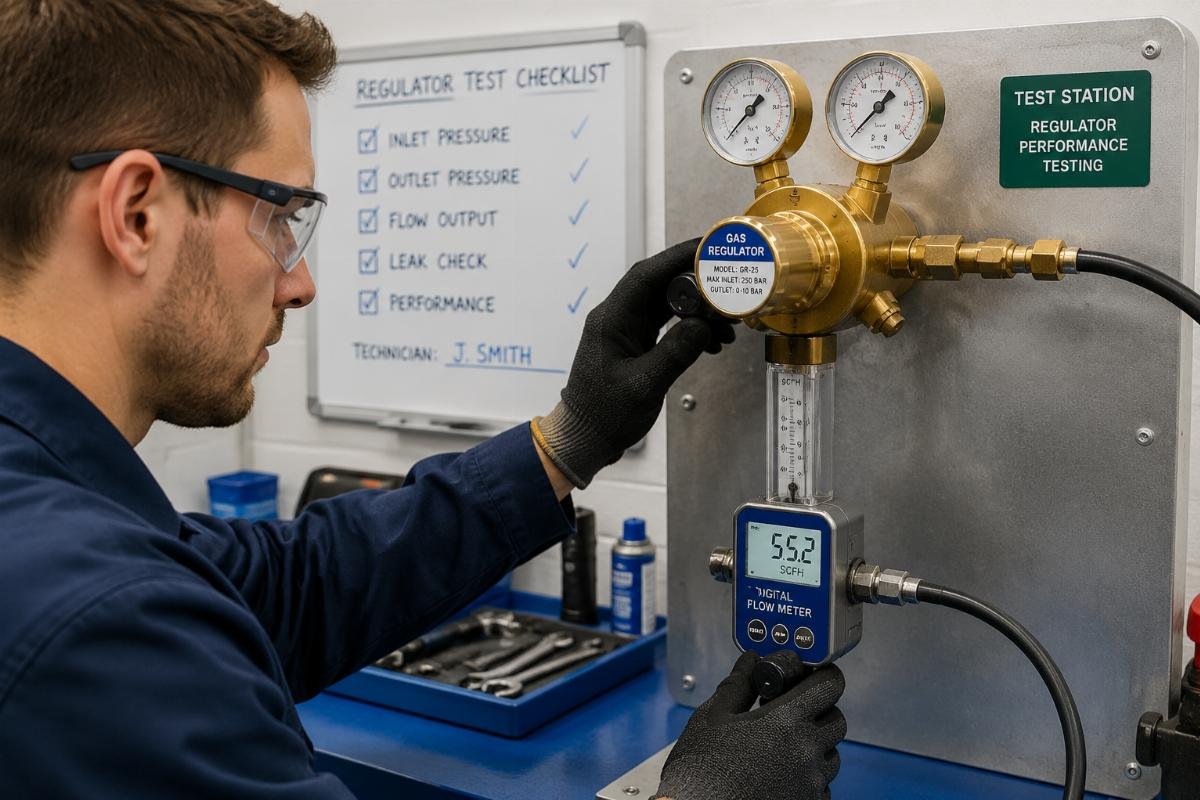
- Track Usage Volume – Note how many hours per day your regulators are in active use to narrow down appropriate industrial vs consumer grade options.
- Document Failure Patterns – Log exactly when and how regulators fail to identify consistent mismatches between your use case and existing products.
- Avoid Generic "Universal" Labels – Skip any product marketed as a one-size-fits-all solution for all gas types and equipment.
How to find a reliable gas regulator supply channel covering all common gas types?
Suppliers with integrated no-rent gas cylinder programs deliver far more consistent regulator matching and faster after-sales support. Most tradespeople don’t realize that these programs aren’t only for bulk commercial orders, independent small workshops and even hobbyist users can access aligned regulator support through swap gas programs that cut long-term ownership costs significantly.
A Melbourne hobbyist car restorer recently purchased a 3-piece argon and CO2 regulator combo for his home MIG welding setup from a supplier with integrated swap gas support, and his total purchase cost was 28% lower than comparable units at local physical hardware and welding supply stores. Hampdon Industrial’s Australian online retailer stocks a full range of gas regulators for all common gas types, supports nationwide shipping, and offers paired no-rent gas cylinder services for users in Sydney, Melbourne and Brisbane, eliminating ongoing rental fees tied to traditional gas supplier contracts.

- Check Full Product Range – Confirm the supplier stocks regulators for every gas type you currently use to avoid ordering from multiple scattered vendors.
- Inquire About Support Programs – Ask if they offer regulator matching support tied to their gas swap or no-rent cylinder programs even for small orders.
- Verify Shipping Coverage – Confirm they offer fast, tracked nationwide shipping to avoid extended lead times that delay active jobs.
Conclusion
Matching your regulator to your exact use case will deliver far more value than picking a premium brand or lowest price option. Skip the common purchasing mistakes of overpaying for unnecessary features or grabbing generic uncalibrated units that will fail prematurely, and prioritize suppliers that can align their product range with both your current equipment and long-term gas supply needs. This approach cuts both short-term purchase costs and long-term maintenance and replacement expenses, while eliminating the risk of unexpected regulator failure mid-job that can derail entire project timelines.
